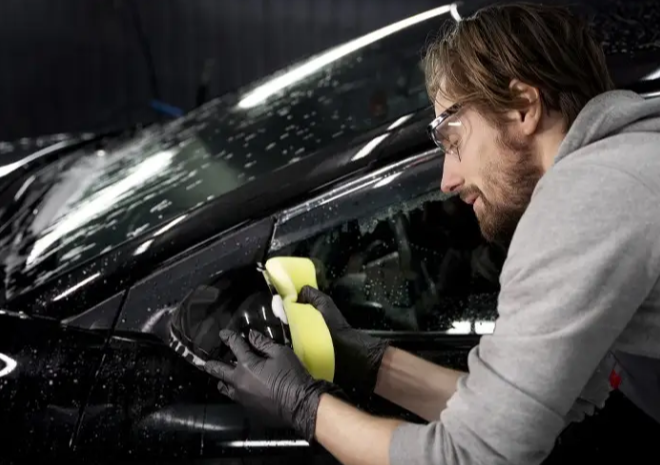

Most drivers have used a quick car wash when the vehicle looks dusty, but a basic wash and a professional detail are not the same thing. A wash is usually built for speed. It removes loose dirt from visible surfaces, gives the paint a quick rinse and sends the car back onto the road looking a little cleaner. Detailing is built for condition, protection and presentation. It pays attention to the paint, wheels, glass, trims, upholstery, carpets, plastics and those awkward areas that a fast wash normally misses.
For Adelaide drivers, the difference matters because the local climate can be harsh on vehicles. Sun, dust, coastal air, tree sap, bird droppings and everyday road film slowly wear down the appearance of a car. When these contaminants sit for too long, they become harder to remove and can leave marks, stains or dull patches. A cheap wash may improve the surface for a day, but professional detailing works deeper and helps keep the vehicle easier to maintain over time.
Convenience is one of the biggest reasons people choose Mobile Car Detailing. Instead of waiting in a queue, driving to a wash bay or losing part of the weekend, a mobile detailer comes to the home or workplace. This is useful for busy professionals, parents, tradies and anyone who relies on their vehicle daily. The car can be cleaned while the owner continues working, managing the house or handling normal commitments.
The quality difference also comes from the method. A professional detailer works by hand, uses appropriate products for each surface and takes time to inspect problem areas. Wheels need different treatment from paint. Leather needs different care from fabric. Gloss black trims, screens and instrument clusters can scratch easily if they are cleaned with the wrong cloth or chemical. A proper detail reduces the risk of careless damage because the process is more controlled.
Interior care is where the gap becomes obvious. A basic wash may include a quick vacuum, but it rarely deals properly with sand, pet hair, food crumbs, sweat, spills, sunscreen marks, dust in vents or odours trapped in fabric. Detailing focuses on the cabin as a living space. Carpets are vacuumed more carefully, mats are cleaned, plastics are wiped down, seats can be shampooed or conditioned, and glass is cleaned so the vehicle feels fresher and safer to drive.
Exterior detailing goes beyond soap and water. A detail can include safer hand washing, wheel cleaning, paint decontamination, clay treatment, polishing and protective sealants depending on the chosen package. These steps help remove bonded contaminants and restore gloss. Protection is important because paint is constantly exposed to UV, rain, dirt and fallout. Without protection, the finish can become dull faster and future cleaning becomes more difficult.
Another advantage is consistency. Automatic washes can use strong chemicals, dirty brushes or aggressive drying methods. Even when they are convenient, they may leave swirl marks or missed sections. A mobile detailer inspects the vehicle and adjusts the work to its condition. A family SUV with food stains needs a different approach from a weekend sports car. A work ute needs a different approach from a pre-sale vehicle being prepared for photos and inspections.
Professional Car Detailing also helps protect resale value. Buyers notice clean interiors, glossy paint, clear glass and well-kept trims. A detailed car gives the impression that the vehicle has been cared for properly. It will not hide mechanical issues, but it can stop a good vehicle from looking neglected. This matters before selling, trading in or returning a leased vehicle.
Cost is often misunderstood. A basic wash is cheaper on the day, but it usually gives a short-term result. Detailing costs more because it uses more time, better products and more skilled labour. The value comes from the depth of the result. If a vehicle has not been cleaned properly for months, a detail can reset the condition and make future maintenance easier. For many owners, that makes it better value than paying repeatedly for quick washes that never solve the deeper issues.
The best choice depends on the vehicle’s condition. A quick wash can be fine for light dust between proper cleans. But when the interior smells stale, the paint feels rough, the wheels are stained, the seats are marked or the car is being prepared for sale, detailing is the smarter option. It handles the areas that ordinary washing ignores.
In the end, mobile detailing is not just about making a car shiny. It is about convenience, care and long-term presentation. Adelaide drivers who want a cleaner, fresher and better-protected vehicle should treat detailing as part of normal car care, not a luxury reserved only for special occasions.
Extra Detailing Advice
A strong detailing routine should also match how the vehicle is actually used. A car that spends every day outside, carries children or pets, or travels through dusty roads will need more attention than a vehicle that is garaged and driven lightly. This is why a fixed one-size-fits-all schedule is not always sensible. Owners should look at the paint, wheels, glass and cabin condition, then choose the level of service that solves the real problem instead of paying for work they do not need.
FAQs
Is mobile detailing better than a car wash?
Yes, when the goal is a deeper clean, safer surface care and better long-term presentation. A car wash is faster, but detailing is more thorough.
How often should I book a detail?
Many drivers benefit from a maintenance detail every few months, with deeper interior or exterior services as needed.
Does detailing help resale value?
A clean, fresh and well-presented vehicle usually creates a stronger first impression when selling or trading in.