Newsletter Subscribe
Enter your email address below and subscribe to our newsletter
Enter your email address below and subscribe to our newsletter

 ByJohn A
Skin texture, fine lines, acne scars, and uneven complexion are common concerns that develop as the skin changes with age or environmental exposure. Although skincare products can support the skin’s appearance, some people look for professional treatments that work more deeply. RF microneedling is one option that combines two established techniques to encourage skin renewal and improve its overall appearance. Understanding how the treatment works can help individuals make informed decisions about their skincare routines and professional treatment options.
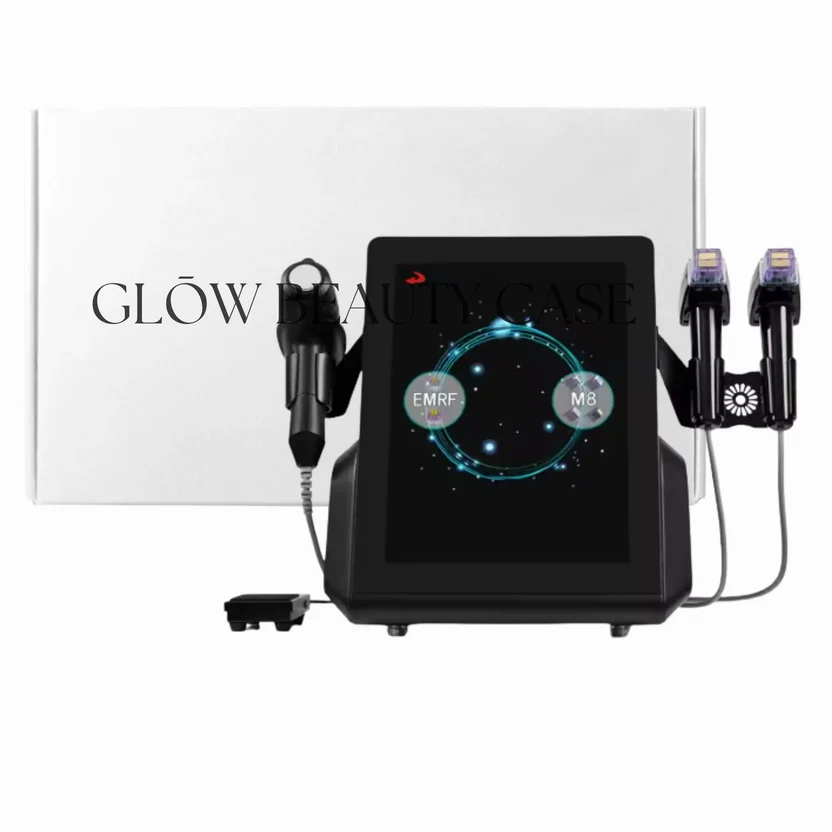
Radiofrequency microneedling combines controlled microneedling with radiofrequency energy. The needles create precise microchannels in the skin, while the radiofrequency energy delivers heat to selected tissue layers. This combination is designed to stimulate the body’s natural healing response and encourage collagen and elastin production. For those exploring the technology, rf microneedling offers an example of the treatment category and the equipment associated with it.
Unlike traditional microneedling, which relies primarily on mechanical stimulation, RF microneedling adds controlled thermal energy. This difference can influence how the treatment is performed, the concerns it may address, and the precautions required. However, results depend on factors such as skin condition, treatment settings, practitioner experience, and individual healing responses.
RF microneedling is a minimally invasive skin treatment that uses fine needles and radiofrequency energy. During a procedure, a device places small needles into the skin at a selected depth. Once the needles reach the intended tissue layer, radiofrequency energy is delivered through or around the needle tips, depending on the device design.
The energy produces controlled heat within the skin. This heat can encourage collagen remodelling, while the tiny punctures created by the needles activate a natural repair process. Collagen is a structural protein that helps support skin firmness and elasticity. As the skin responds to treatment, gradual changes in texture and appearance may become noticeable.
The treatment is often used on the face, neck, and other areas where skin texture or firmness is a concern. Different devices have different needle configurations, energy delivery systems, and depth settings. These differences make it important to match the equipment and treatment approach to the individual’s needs.
See also: How to judge a momentum strategy before you actually invest in one
Traditional microneedling uses fine needles to create controlled micro-injuries without necessarily delivering radiofrequency energy. It is commonly used to support skin texture and the appearance of certain scars.
RF microneedling adds thermal stimulation to the process. The combination may provide a different treatment experience and may be suitable for concerns involving both surface texture and deeper skin structure. It is not automatically better for every person, however. The appropriate option depends on the skin concern, treatment goals, and professional assessment.
The first part of the treatment involves creating small punctures in the skin. These microchannels activate the body’s natural wound-healing response. As part of this process, the skin begins repairing the treated area and producing structural proteins.
The controlled nature of the punctures allows a practitioner to target specific areas while limiting unnecessary injury to surrounding tissue. Needle depth and treatment intensity must be selected carefully because different skin areas have different thicknesses and sensitivities.
Radiofrequency energy produces heat within the targeted tissue. In RF microneedling, the energy is delivered through a specialised device, often at a selected depth beneath the skin surface. The thermal effect can stimulate collagen remodelling and may support improvements in skin firmness and texture.
The depth and intensity of energy delivery are important. Excessive heat or inappropriate settings can increase the risk of burns, pigmentation changes, or other complications. For this reason, RF microneedling should be performed by a properly trained professional using equipment appropriate for the treatment area.
Collagen production and remodelling are gradual processes. The skin does not immediately replace damaged or weakened collagen after one session. Instead, the body responds over time, and visible changes may develop over several weeks or months.
Some people notice improvements after an initial treatment, while others require a series of sessions. Results vary according to age, skin condition, lifestyle, and the severity of the concern being treated.
RF microneedling may offer several benefits when performed appropriately. It is commonly considered for people who want to improve the appearance of skin without undergoing traditional surgery.
Uneven texture can result from acne scars, enlarged pores, sun exposure, and normal ageing. By stimulating collagen production and encouraging skin remodelling, RF microneedling may help create a smoother-looking surface.
The degree of improvement depends on the type of texture concern. Superficial irregularities may respond differently from deeper scars, and treatment should be planned accordingly.
As collagen and elastin change with age, the skin may lose some of its firmness. RF microneedling can encourage structural changes in the treated tissue, which may improve the appearance of mild laxity.
It is important to maintain realistic expectations. The treatment is not a replacement for surgical lifting, and significant sagging may require a different approach.
Certain types of acne scars may improve with treatments that stimulate collagen remodelling. RF microneedling can be considered for selected atrophic scars, including some rolling and boxcar scars.
Not all scars respond in the same way. Raised scars, active acne, or scars with significant pigmentation concerns may require other treatments or additional assessment before RF microneedling is considered.
Fine lines are influenced by ageing, sun exposure, repeated facial movement, and changes in skin structure. RF microneedling may help improve the appearance of some fine lines by supporting collagen remodelling.
The results are generally gradual rather than immediate. Maintaining sun protection and a consistent skincare routine can also support the appearance of treated skin.
RF microneedling may be suitable for adults concerned about skin texture, mild laxity, acne scarring, or fine lines. However, suitability cannot be determined by age or appearance alone.
A professional assessment should consider the person’s skin condition, medical history, medications, previous procedures, and expectations. The treatment area and desired outcome also influence whether RF microneedling is appropriate.
Before treatment, a practitioner may assess:
Individuals who are pregnant, have certain medical conditions, or take medications that affect healing may need to postpone treatment or seek medical advice. A professional should determine whether the procedure is appropriate.
The number of sessions required depends on the concern being treated and the individual’s response. Some people may see changes after one session, while others may benefit from a series spaced several weeks apart.
During a consultation, the practitioner should explain the expected number of sessions, possible discomfort, recovery time, and realistic outcomes. Treatment settings should be adjusted according to the area being treated rather than applying the same approach to every person.
A typical session begins with cleansing the skin and preparing the treatment area. A topical numbing cream may be used to reduce discomfort, depending on the device and treatment plan.
The practitioner then uses the device to deliver controlled needle penetration and radiofrequency energy. The duration varies according to the treatment area and equipment. Afterward, the skin may appear red or swollen, and some people experience temporary sensitivity.
RF microneedling is generally considered a minimally invasive treatment, but it still involves controlled skin injury and heat. Side effects can occur, especially when the procedure is performed incorrectly or when unsuitable settings are used.
Common short-term effects may include redness, swelling, mild discomfort, and temporary skin sensitivity. These effects often improve as the skin recovers.
Possible complications include:
People with darker skin tones may have a greater risk of post-inflammatory hyperpigmentation after some skin procedures. This does not automatically rule out RF microneedling, but it makes appropriate assessment and treatment planning especially important.
After RF microneedling, the skin needs time to recover. The practitioner should provide specific instructions based on the device used, treatment intensity, and individual skin condition.
Helpful general precautions include:
Recovery varies between individuals. Some people return to normal activities quickly, while others need additional time for redness or sensitivity to settle.
The equipment used for RF microneedling can influence the treatment experience and the precision of energy delivery. Different systems offer different needle depths, energy settings, treatment modes, and safety features.
When evaluating equipment, it is useful to consider:
Adjustable needle depth allows treatment to be adapted to different skin areas. The depth should be selected by a trained professional according to the target tissue and treatment goal.
Radiofrequency systems differ in how energy is delivered and controlled. Reliable equipment should provide clear operating instructions and appropriate safety features. Consistent energy delivery is important for reducing unnecessary tissue damage.
Equipment must be maintained according to the manufacturer’s instructions. Single-use components should be handled appropriately, and reusable parts must be cleaned and disinfected according to established procedures.
Proper hygiene is essential because the treatment creates openings in the skin. Poor handling can increase the risk of infection and other complications.
RF microneedling combines controlled microneedling with radiofrequency energy to support collagen remodelling and improve the appearance of selected skin concerns. It may be useful for individuals dealing with uneven texture, acne scars, fine lines, or mild skin laxity, but results depend on individual factors and professional treatment planning.
Understanding the technology, possible benefits, limitations, and safety considerations is essential before choosing a treatment. Those researching equipment and treatment options can explore rf microneedling as part of their wider investigation. A qualified practitioner can help determine whether the procedure is suitable and establish a realistic treatment plan.
RF microneedling may be suitable for many skin types, but individual assessment is important. Skin tone, sensitivity, medical history, active skin conditions, and previous treatments can influence risk. People with darker skin may need particular care because some procedures can trigger pigmentation changes. A qualified practitioner should assess suitability before treatment.
Results are usually gradual because collagen remodelling takes time. Some people notice early changes in skin texture within several weeks, while more noticeable improvements may develop over a few months. The number of sessions, treatment intensity, skin condition, and individual healing response all influence the timeline. Results vary between individuals.
RF microneedling may improve the appearance of certain atrophic acne scars, particularly rolling and some boxcar scars. However, deep or complex scars may require a combination of treatments. Raised scars and active acne need separate assessment. A practitioner should identify the scar type and recommend an appropriate treatment approach.
Discomfort varies depending on the treatment area, device, needle depth, and energy settings. A topical numbing cream may be used before treatment to reduce discomfort. Some people experience warmth, pressure, or brief stinging during the procedure. The practitioner should explain what to expect and adjust the treatment approach when appropriate.
The interval between sessions depends on the treatment intensity, skin condition, and recovery response. Many treatment plans space sessions several weeks apart to allow the skin to heal. Performing treatments too frequently may increase irritation and complications. A qualified practitioner should determine the appropriate schedule based on the individual’s needs.