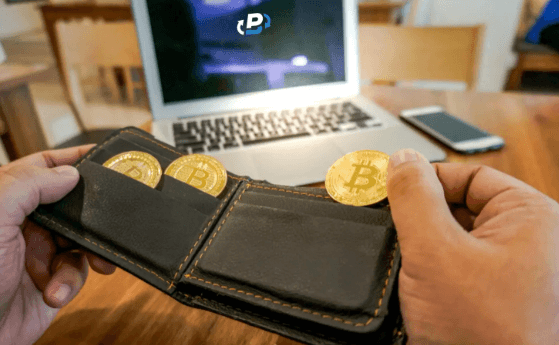

Transferring crypto between wallets requires careful steps. Verify recipient addresses and confirm the correct network to avoid loss. Prepare by gathering details, aligning networks, and noting any fees. Execute with secure handling of private keys and meticulous verification before sending. Monitor the transaction until on-chain confirmation and perform post-transfer checks like hash recording and status verification. This approach maintains accountability and security, while leaving room for additional safeguards and contingencies that underscore why precision matters.
What Transferring Crypto Wallet-To-Wallet Means
Transferring crypto wallet-to-wallet refers to moving digital assets directly from one user’s wallet address to another’s on the same or different blockchain. This defines transfer basics and delineates value flow across decentralized systems.
The process emphasizes deliberate control and consent, while highlighting security pitfalls, such as incorrect addresses, fragile keys, and accidental network choices, requiring cautious, disciplined handling for freedom-loving users.
Verify Addresses and Pick the Right Network
Verifying recipient addresses and selecting the correct network are foundational steps that directly impact asset safety. In practice, verification involves cross-checking recipient details against trusted sources and double-checking checksums. The choice to verify addresses and to pick networks responsibly minimizes loss. Clear verification and deliberate network selection protect freedom to transfer with confidence and reduce exposure to misrouting. verify addresses, pick networks.
Step-By-Step Transfer: From Prep to Confirmation
Preparation for a transfer entails a disciplined sequence: confirm recipient details and network alignment, then assemble the required data and fees before initiating the move. The process outlines careful verification, securing keys, and monitoring for confirmation. It highlights transfers risks and fee considerations, emphasizes minimizing exposure, and preserves autonomy by enforcing strict controls, auditable steps, and timely status checks without unnecessary exposure or distraction.
Avoid Common Mistakes and Post-Transfer Checks
A disciplined follow-up after initiating a transfer focuses on avoiding common pitfalls and conducting post-move checks. The detached reviewer verifies recipient address integrity, confirms on-chain status, and monitors for unexpected delays.
Users consider misleading fees and assess transaction timelines, ensuring funds arrived intact.
Security-minded habits include recording hashes, enabling alerts, and documenting confirmations for future auditing and freedom from doubt.
See also: The Future of Home Security
Conclusion
Transferring crypto wallet-to-wallet hinges on meticulous verification, network alignment, and secure handling of keys. While prep and monitoring reduce risk, many errors stem from sloppy address checks or wrong networks. A precise, security-first mindset—recording hashes, confirming on-chain status, and auditing steps—ensures accountability and traceability. Even in haste, accuracy matters: “A stitch in time saves nine.” By maintaining diligent procedures, transfers remain auditable, secure, and trustworthy, with clear responsibility at every stage.