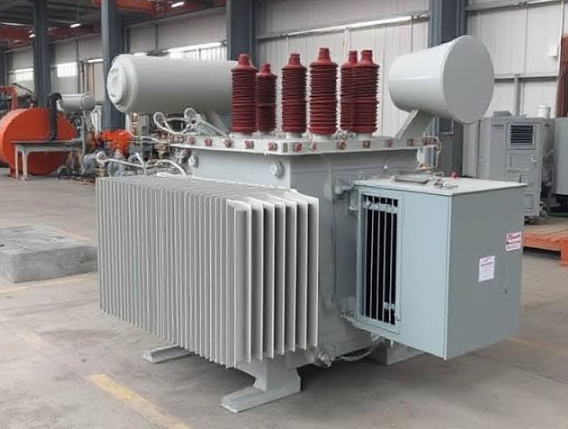

Transformers play a crucial role in modern electrical systems by efficiently transferring electrical energy between circuits while maintaining safety and reliability. Among the various transformer capacities available in the market, the 15 kva transformer is a popular choice for small to medium-sized commercial, industrial, and residential applications. It offers an excellent balance between power handling capability, efficiency, and cost-effectiveness.
Whether you are planning an electrical installation, upgrading existing equipment, or simply learning about transformer technology, understanding the specifications and applications of a 15 kva transformer is essential. This guide explores everything you need to know about 15 kva transformers, including their working principles, benefits, applications, selection criteria, maintenance requirements, and more.
What Is a 15 kva Transformer?
A 15 kva transformer is an electrical device designed to transfer electrical power between circuits through electromagnetic induction. The “kVA” rating refers to the transformer’s apparent power capacity, with 15 kVA indicating that the transformer can handle up to 15 kilovolt-amperes of electrical load under normal operating conditions.
This transformer size is commonly used where moderate power requirements exist and where stable voltage conversion is necessary. It can be configured as either a step-up or step-down transformer depending on the application’s voltage requirements.
Key characteristics of a 15 kva transformer include:
- Power capacity of 15 kilovolt-amperes
- Available in single-phase and three-phase designs
- Suitable for indoor and outdoor applications
- High operational efficiency
- Reliable voltage regulation
See also: Amity Project for BCA and MCA Students: The Technical Guide You Need
How Does a 15 kva Transformer Work?
To understand the importance of a 15 kva transformer, it is helpful to understand its operating principle. Transformers function based on electromagnetic induction, which allows electrical energy to transfer between windings without direct electrical contact.
When alternating current flows through the primary winding, it generates a magnetic field within the transformer core. This magnetic field induces voltage in the secondary winding, resulting in electrical power transfer.
The basic working process involves:
- AC voltage entering the primary winding
- Magnetic flux generation in the core
- Induced voltage in the secondary winding
- Power transfer to connected equipment
- Voltage adjustment according to winding ratios
This simple yet effective process enables transformers to safely modify voltage levels for various applications.
Main Components of a 15 kva Transformer
A transformer consists of several critical components that work together to ensure efficient operation. Understanding these components helps users appreciate the engineering behind transformer performance.
Each component serves a specific purpose in transferring electrical energy while minimizing losses.
The major components include:
Core
The transformer core provides a low-reluctance path for magnetic flux. It is typically constructed from laminated silicon steel to reduce eddy current losses.
Primary Winding
The primary winding receives electrical power from the source and creates the magnetic field required for energy transfer.
Secondary Winding
The secondary winding receives induced voltage from the magnetic field and delivers power to connected loads.
Insulation System
Insulation materials prevent electrical leakage and ensure safe operation under varying voltage conditions.
Cooling System
Cooling mechanisms help dissipate heat generated during operation, improving efficiency and extending transformer lifespan.
Types of 15 kva Transformers
Different applications require different transformer configurations. Manufacturers offer several types of 15 kva transformers designed to meet specific operational requirements.
Choosing the correct type depends on voltage requirements, installation location, and load characteristics.
Common types include:
Single-Phase 15 kva Transformer
Single-phase transformers are commonly used in residential properties, small offices, workshops, and light commercial facilities.
Benefits include:
- Simpler installation
- Lower cost
- Compact design
- Suitable for smaller loads
Three-Phase 15 kva Transformer
Three-phase transformers are designed for industrial and commercial environments where higher efficiency and balanced power distribution are required.
Advantages include:
- Greater power efficiency
- Balanced load handling
- Improved motor performance
- Better voltage stability
Dry-Type Transformer
Dry-type transformers use air for cooling rather than oil. They are commonly installed indoors where fire safety is a priority.
Oil-Filled Transformer
Oil-filled transformers utilize insulating oil for cooling and insulation purposes. These units are often used outdoors and in demanding industrial environments.
Common Applications of a 15 kva Transformer
The versatility of a 15 kva transformer makes it suitable for a wide range of applications across various industries. Its moderate capacity allows it to support essential electrical systems without excessive energy waste.
Many businesses rely on these transformers to ensure stable voltage supply and protect sensitive equipment.
Common applications include:
- Commercial buildings
- Retail stores
- Small manufacturing facilities
- Agricultural operations
- Residential developments
- Lighting systems
- HVAC equipment
- Security systems
- Telecommunications infrastructure
- Educational institutions
Its flexibility makes it one of the most frequently selected transformer capacities for medium-sized electrical installations.
Advantages of Using a 15 kva Transformer
Investing in a properly designed transformer offers numerous benefits. A 15 kva transformer provides dependable performance while supporting efficient power distribution.
Businesses and facility managers often choose this transformer size because it delivers practical advantages across multiple applications.
Major benefits include:
Reliable Voltage Regulation
A transformer helps maintain stable voltage levels, reducing the risk of equipment damage caused by voltage fluctuations.
High Energy Efficiency
Modern transformers are engineered to minimize power losses and maximize operational efficiency.
Long Service Life
With proper maintenance, a quality 15 kva transformer can provide decades of reliable service.
Enhanced Equipment Protection
Transformers help isolate electrical systems and protect connected devices from power disturbances.
Cost-Effective Operation
The balance between capacity and operating cost makes 15 kva transformers a practical solution for many facilities.
Understanding 15 kva Transformer Ratings
Transformer ratings provide important information regarding operational capabilities and safety limits. Understanding these specifications helps ensure proper selection and application.
Ignoring transformer ratings can lead to overload conditions and reduced equipment lifespan.
Key ratings include:
- Power rating (15 kVA)
- Primary voltage
- Secondary voltage
- Frequency rating
- Insulation class
- Temperature rise rating
- Efficiency rating
- Short-circuit withstand capability
These specifications should always match the intended electrical application.
How to Choose the Right 15 kva Transformer
Selecting the right transformer requires careful consideration of several factors. Choosing an inappropriate model may result in inefficiencies, overheating, or equipment failure.
A systematic evaluation helps ensure optimal performance and long-term reliability.
Important considerations include:
Load Requirements
Determine the total electrical load that the transformer will support.
Voltage Specifications
Verify both primary and secondary voltage requirements before purchasing.
Installation Environment
Consider whether the transformer will operate indoors, outdoors, or in harsh environmental conditions.
Cooling Method
Choose between dry-type and oil-filled designs based on safety and environmental needs.
Efficiency Standards
Look for transformers that meet modern energy-efficiency regulations.
Installation Considerations for a 15 kva Transformer
Proper installation is essential for maximizing transformer performance and safety. Even a high-quality transformer may experience issues if installed incorrectly.
Careful planning helps prevent operational problems and ensures compliance with electrical regulations.
Important installation practices include:
- Adequate ventilation
- Proper grounding
- Correct cable sizing
- Secure mounting
- Compliance with electrical codes
- Sufficient clearance for maintenance
- Protection from moisture and contaminants
Professional installation is highly recommended to ensure safe and reliable operation.
Maintenance Requirements for a 15 kva Transformer
Regular maintenance is one of the most important factors influencing transformer lifespan and reliability. Preventive maintenance helps identify potential issues before they become major problems.
A proactive maintenance program can significantly reduce downtime and repair costs.
Typical maintenance activities include:
Visual Inspections
Routine inspections help identify signs of damage, corrosion, or overheating.
Cleaning
Dust and debris accumulation can impact cooling efficiency and should be removed periodically.
Electrical Testing
Periodic testing verifies insulation integrity and operational performance.
Temperature Monitoring
Tracking operating temperatures helps detect developing issues.
Connection Tightening
Loose electrical connections can create resistance and generate excessive heat.
Energy Efficiency of 15 kva Transformers
Energy efficiency has become a major consideration in modern electrical systems. Efficient transformers reduce energy waste and lower operating costs over time.
Although transformer losses may seem small, they accumulate continuously throughout the equipment’s lifespan.
Efficiency improvements provide benefits such as:
- Lower electricity consumption
- Reduced heat generation
- Decreased operating costs
- Improved environmental sustainability
- Enhanced equipment performance
Investing in a high-efficiency transformer often results in significant long-term savings.
Safety Features of Modern 15 kva Transformers
Safety is a critical aspect of transformer design. Modern transformers incorporate numerous features to protect personnel, equipment, and facilities.
These protective measures help minimize risks associated with electrical operation.
Common safety features include:
- Thermal protection systems
- Overload protection
- Short-circuit resistance
- Fire-resistant insulation
- Ground fault protection
- Temperature monitoring devices
- Surge protection compatibility
These features contribute to safe and reliable electrical system performance.
Common Problems in 15 kva Transformers
Even well-designed transformers can occasionally experience operational issues. Understanding common problems can help operators identify and address concerns quickly.
Early detection often prevents costly repairs and equipment failures.
Common issues include:
Overheating
Excessive load or inadequate cooling may cause elevated operating temperatures.
Insulation Breakdown
Aging insulation can reduce electrical reliability and safety.
Voltage Irregularities
Improper voltage regulation may affect connected equipment.
Moisture Contamination
Exposure to moisture can compromise insulation effectiveness.
Mechanical Vibrations
Loose components may generate unusual vibrations or noise.
Regular inspections help minimize these risks.
Cost Factors Affecting 15 kva Transformer Pricing
The cost of a 15 kva transformer varies depending on multiple factors. Understanding these variables can help buyers make informed purchasing decisions.
Price differences often reflect quality, features, and performance capabilities.
Factors affecting cost include:
- Transformer type
- Voltage rating
- Core material quality
- Efficiency level
- Cooling system design
- Manufacturer reputation
- Installation requirements
- Compliance certifications
Evaluating total lifecycle cost rather than purchase price alone often leads to better value.
Future Trends in Transformer Technology
Transformer technology continues to evolve as industries seek greater efficiency, reliability, and sustainability. Manufacturers are investing heavily in innovations that improve performance and reduce environmental impact.
These advancements are shaping the future of electrical infrastructure worldwide.
Emerging trends include:
- Smart monitoring systems
- IoT-enabled transformers
- Advanced insulation materials
- Higher efficiency designs
- Eco-friendly cooling fluids
- Predictive maintenance technologies
- Improved fault diagnostics
These innovations are expected to enhance transformer reliability while reducing operational costs.
Why Businesses Choose 15 kva Transformers
Many organizations select 15 kva transformers because they provide the ideal balance between performance and practicality. They are large enough to support meaningful electrical loads while remaining compact and cost-effective.
Their adaptability makes them suitable for a broad range of industries and facilities.
Businesses frequently choose these transformers because they offer:
- Dependable performance
- Flexible installation options
- Strong energy efficiency
- Long service life
- Affordable operating costs
- Reliable voltage conversion
These advantages continue to make 15 kva transformers a preferred choice across multiple sectors.
Conclusion
A 15 kva transformer is a versatile and dependable solution for a wide range of electrical applications. Whether used in commercial buildings, industrial facilities, agricultural operations, or residential developments, it provides efficient voltage conversion and reliable power distribution.
Understanding transformer types, specifications, installation requirements, maintenance practices, and efficiency considerations can help organizations maximize performance and return on investment. By selecting the right transformer and maintaining it properly, users can enjoy years of safe, efficient, and trouble-free operation.
As technology continues to advance, modern 15 kva transformers are becoming even more efficient, intelligent, and environmentally friendly, ensuring they remain a critical component of today’s electrical infrastructure.