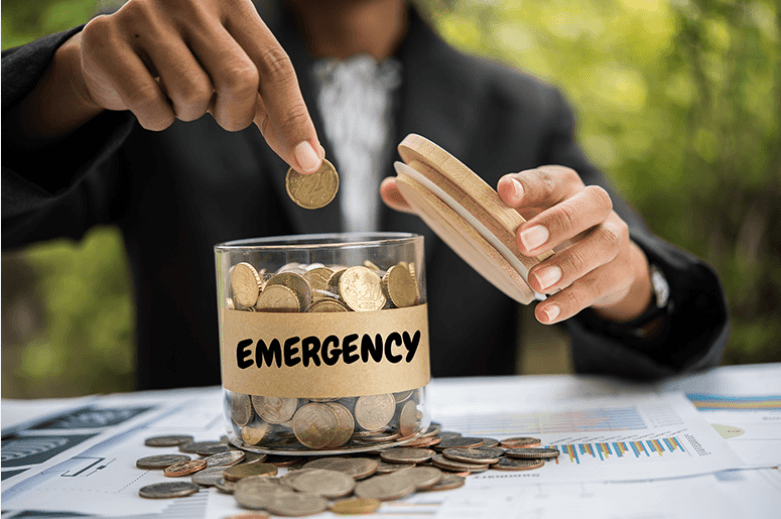

Financial stability is something everyone wants, but unexpected expenses can happen at any time. Whether it’s a medical emergency, car repair, job loss, or home maintenance, these situations often arrive without warning. That’s why learning how to Build An Emergency Fund is one of the smartest financial decisions you can make.
An emergency fund acts as a financial safety net that helps you handle unexpected costs without relying on credit cards or loans. It gives you peace of mind and protects your long-term financial goals. In this guide, you’ll learn why an emergency fund matters, how much you should save, and practical steps to build one successfully.
What Does It Mean to Build An Emergency Fund?
To Build An Emergency Fund means setting aside money specifically for unexpected financial emergencies. This money should only be used for genuine emergencies—not vacations, shopping, or entertainment.
An emergency fund helps cover expenses such as:
- Medical bills
- Car repairs
- Home maintenance
- Unexpected travel
- Job loss
- Family emergencies
- Emergency pet care
The goal is to avoid borrowing money when life throws unexpected challenges your way.
Why Is an Emergency Fund Important?
Many people live paycheck to paycheck. Even a small unexpected expense can create financial stress.
Here are some major benefits of having an emergency fund:
Reduces Financial Stress
Knowing you have money saved for emergencies helps reduce anxiety and allows you to focus on solving problems rather than worrying about finances.
Prevents Debt
Instead of using high-interest credit cards or personal loans, you can pay emergency expenses directly from your savings.
Protects Long-Term Investments
Without an emergency fund, people often withdraw money from retirement accounts or investment portfolios. This can slow long-term wealth growth.
Provides Financial Independence
An emergency fund allows you to make decisions based on what’s best for your future rather than immediate financial pressure.
How Much Money Should You Save?
The ideal emergency fund depends on your lifestyle and monthly expenses.
Here is a simple guideline:
- Beginners: $500–$1,000
- Stable income: 3 months of living expenses
- Freelancers or self-employed: 6–12 months of living expenses
For example:
If your monthly expenses are:
- Rent: $800
- Food: $400
- Transportation: $200
- Utilities: $150
- Insurance: $250
- Other expenses: $200
Total monthly expenses = $2,000
Your emergency fund should ideally contain:
- 3 months = $6,000
- 6 months = $12,000
Step-by-Step Guide to Build An Emergency Fund
Set a Realistic Savings Goal
Don’t try saving thousands overnight.
Start with a small milestone like:
- $100
- $250
- $500
- $1,000
Small wins create motivation.
Create a Monthly Budget
Track every dollar you earn and spend.
Identify unnecessary expenses such as:
- Unused subscriptions
- Frequent dining out
- Impulse shopping
- Premium streaming services you rarely use
Redirect these savings toward your emergency fund.
Open a Separate Savings Account
Keep your emergency savings separate from your daily spending account.
This reduces the temptation to spend the money on non-emergency purchases.
Automate Your Savings
Set up automatic transfers every payday.
Even saving:
- $20 weekly
- $50 biweekly
- $100 monthly
can grow significantly over time.
Automation removes the need to remember every month.
Save Windfalls
Whenever you receive unexpected money, consider saving part of it.
Examples include:
- Tax refunds
- Bonuses
- Cash gifts
- Freelance income
- Overtime pay
Adding these funds can help you reach your savings goal much faster.
Cut Unnecessary Spending
Review your monthly expenses honestly.
Simple changes include:
- Brewing coffee at home
- Cooking meals instead of ordering takeout
- Canceling unused memberships
- Buying generic brands
- Waiting before making impulse purchases
The money saved can go directly into your emergency fund.
See also: Business Startup: A Practical Guide to Building a Successful New Business
Increase Your Income
Saving becomes easier when you earn more.
You can:
- Start freelance work
- Sell unused items
- Tutor online
- Drive for delivery services
- Offer digital services
- Take on a part-time job
Extra income can dramatically speed up your emergency savings.
Where Should You Keep Your Emergency Fund?
Your emergency savings should be:
- Easy to access
- Safe
- Separate from daily spending
Good options include:
- High-yield savings accounts
- Money market accounts
- Traditional savings accounts
Avoid investing emergency savings in stocks because market values can fluctuate when you need the money most.
Common Mistakes to Avoid
Spending It on Non-Emergencies
An emergency fund should only be used for genuine financial emergencies.
Buying a new phone or going on vacation doesn’t qualify.
Saving Too Slowly Without a Plan
Without a savings strategy, progress becomes inconsistent.
Create automatic contributions to stay on track.
Keeping Cash at Home
Holding large amounts of cash at home increases the risk of theft or loss.
A secure bank account is usually a better option.
Ignoring Inflation
As your income and expenses increase, update your emergency fund goal accordingly.
How Long Does It Take to Build An Emergency Fund?
Everyone’s timeline is different.
Examples:
Saving $100 each month:
- $1,000 in 10 months
- $3,000 in 30 months
Saving $250 monthly:
- $3,000 in 12 months
- $6,000 in 24 months
Consistency matters more than speed.
Emergency Fund vs. Regular Savings
Many people confuse these two types of savings.
Emergency Fund
- For unexpected expenses
- Should remain untouched unless necessary
- Provides financial protection
Regular Savings
- Vacations
- Shopping
- Home improvements
- Holiday gifts
- Planned purchases
Keeping these funds separate makes budgeting easier.
Tips to Stay Motivated
Building savings requires patience.
Stay motivated by:
- Tracking your progress monthly
- Celebrating milestones
- Visualizing your financial goals
- Using budgeting apps
- Reviewing your savings regularly
Watching your balance grow builds confidence.
Who Needs an Emergency Fund?
The simple answer is everyone.
It is especially important for:
- Students
- Families
- Homeowners
- Freelancers
- Business owners
- Retirees
- Employees
- Single-income households
Life is unpredictable regardless of income level.
Signs Your Emergency Fund Is Working
Your emergency fund is serving its purpose if:
- Unexpected bills no longer create panic.
- You avoid relying on credit cards for emergencies.
- You can manage temporary income loss with confidence.
- Financial stress is reduced.
- Your long-term savings remain untouched.
These are clear indicators that your financial safety net is providing real value.
Conclusion
Learning how to Build An Emergency Fund is one of the most valuable financial habits you can develop. Emergencies are unavoidable, but financial hardship doesn’t have to be. By setting realistic goals, following a budget, automating your savings, and avoiding unnecessary spending, you can create a reliable safety net for yourself and your family.
Remember that every small contribution adds up over time. Whether you save $20 a week or $200 a month, consistency is the key to success. Start today, stay committed, and watch your emergency fund grow into a source of confidence and financial security.
(FAQs)
1. What is an emergency fund?
An emergency fund is money set aside specifically to cover unexpected expenses like medical emergencies, job loss, or urgent repairs.
2. How much should I save in an emergency fund?
Financial experts often recommend saving three to six months’ worth of essential living expenses. Beginners can start with a goal of $500 to $1,000.
3. Where should I keep my emergency fund?
A high-yield savings account or another easily accessible savings account is generally a good place to keep emergency funds.
4. Can I invest my emergency fund?
No. Emergency funds should remain safe and easily accessible rather than invested in assets that may lose value.
5. How can I Build An Emergency Fund faster?
Create a budget, automate savings, reduce unnecessary expenses, save unexpected income like bonuses or tax refunds, and consider earning extra income through side work.