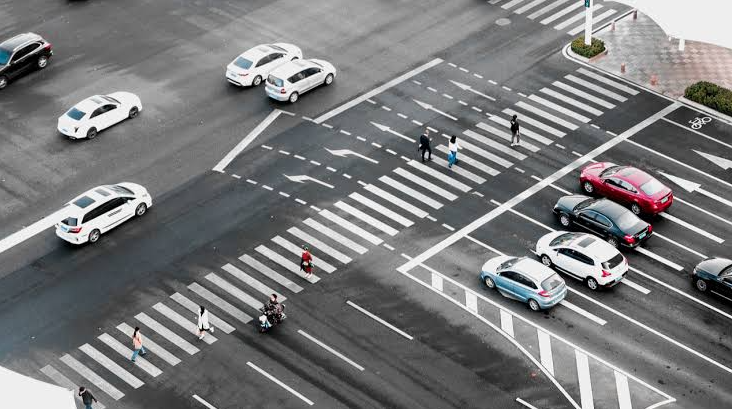

Urban mobility is entering a new phase where traffic management is no longer limited to static signals and traditional road infrastructure. Cities are becoming more intelligent, more responsive, and more data-driven as they try to manage increasing population density and vehicle flow. In this evolving environment, pedestrian safety and efficiency have become top priorities for urban planners.
A key innovation driving this change is the smart pedestrian crossing system, a modern traffic solution designed to improve how pedestrians interact with road networks. Unlike conventional crossings that rely on simple timing cycles or manual buttons, these systems use intelligent technology to detect, respond, and adapt to real-time pedestrian movement.
A smart pedestrian crossing system is not just an upgraded version of older infrastructure. It is a complete rethinking of how people and traffic signals communicate, focusing on safety, automation, and seamless urban flow.
Limitations of Traditional Pedestrian Crossings
For decades, pedestrian crossings have relied on fixed timers or mechanical push buttons. While these systems provided basic functionality, they were not designed for modern urban challenges.
Fixed-time crossings often fail to adjust to real traffic conditions, leading to unnecessary waiting times for both pedestrians and vehicles. In some cases, pedestrians are forced to cross during unsafe intervals due to poor timing coordination.
Mechanical push buttons also present challenges such as wear and tear, inconsistent response, and accessibility limitations. In high-traffic urban areas, these issues become more noticeable and can affect overall traffic efficiency.
These limitations highlight the need for a more adaptive and intelligent solution.
See also: Clip-On Thermal Imaging Attachment for Wildlife Observation
What a Smart Pedestrian Crossing System Actually Is
A smart pedestrian crossing system uses advanced sensing, communication, and control technologies to manage pedestrian movement in real time. Instead of relying on fixed cycles or manual activation, the system responds dynamically based on actual pedestrian presence and traffic conditions.
These systems may include motion sensors, infrared detection, radar technology, or AI-based monitoring tools that analyze movement patterns near crossing zones.
When a pedestrian is detected, the system processes the request and adjusts traffic signals accordingly to ensure safe crossing conditions.
This intelligent response model significantly improves both safety and efficiency at intersections.
How Smart Pedestrian Crossing Systems Work
The core function of a smart pedestrian crossing system is real-time detection and adaptive signal control. When a pedestrian approaches a crossing area, sensors detect their presence and send data to a central traffic control unit.
The system then evaluates current traffic flow, waiting time, and intersection conditions before adjusting signal timing. This ensures that pedestrians receive crossing opportunities without unnecessarily disrupting vehicle movement.
Unlike traditional systems, this process is continuous and adaptive rather than fixed and repetitive.
The result is a smoother and more balanced traffic environment.
Enhancing Safety Through Intelligent Detection
Safety is the most critical aspect of pedestrian infrastructure. Smart systems improve safety by ensuring that crossing signals are activated only when pedestrians are present and conditions are safe.
Advanced detection systems reduce the chances of human error and miscommunication. They also minimize risky situations where pedestrians attempt to cross during unsafe traffic phases.
By continuously monitoring intersection activity, these systems create a more controlled and predictable environment for both pedestrians and drivers.
The smart pedestrian crossing system plays a crucial role in reducing accidents and improving overall road safety standards.
Improving Traffic Flow Efficiency
One of the major problems in urban traffic management is balancing pedestrian movement with vehicle flow. Traditional systems often over-prioritize one group, leading to inefficiencies and congestion.
Smart pedestrian systems solve this problem by dynamically adjusting signal timing based on real-time conditions. If pedestrian activity is low, the system reduces unnecessary stops for vehicles. If pedestrian demand increases, it adjusts accordingly.
This adaptive approach helps maintain smoother traffic flow while still ensuring pedestrian safety.
Accessibility and Inclusive Urban Design
Modern cities are designed for all users, including elderly individuals, people with disabilities, and those carrying heavy items. Traditional systems often fail to address these diverse needs effectively.
Smart pedestrian crossings improve accessibility by removing dependency on physical interaction and introducing automated detection mechanisms. This allows users to cross safely without needing to press buttons or interact with complex interfaces.
Clear visual signals and audio indicators further enhance usability for a wider range of people.
Integration with Smart City Infrastructure
Smart pedestrian systems are not standalone technologies. They are part of a larger smart city ecosystem that connects traffic signals, surveillance systems, and data analytics platforms.
This integration allows cities to monitor traffic patterns, analyze congestion points, and optimize infrastructure planning based on real-time data.
A smart pedestrian crossing system becomes a data-generating component that helps urban planners make better decisions for future development.
Environmental and Energy Efficiency Benefits
Modern smart systems are also designed with sustainability in mind. By optimizing traffic flow and reducing unnecessary waiting times, they help lower vehicle emissions caused by idle traffic.
Efficient signal management reduces fuel consumption and contributes to cleaner urban environments.
In addition, many smart systems use energy-efficient components such as LED signals and low-power sensors, further supporting environmental goals.
The Future of Smart Pedestrian Technology
The future of pedestrian crossing systems is moving toward full automation and artificial intelligence integration. Future systems may be able to predict pedestrian movement before it happens, adjust traffic signals proactively, and communicate with connected vehicles.
As cities become more connected, pedestrian infrastructure will play an even more important role in shaping safe and efficient mobility networks.
The smart pedestrian crossing system is just the beginning of a broader transformation toward fully intelligent transportation ecosystems.
Conclusion
Smart pedestrian crossing systems represent a major step forward in urban traffic management. By combining real-time detection, adaptive signal control, and intelligent infrastructure design, they significantly improve safety, efficiency, and accessibility in modern cities.
These systems address the limitations of traditional crossings and create a more balanced relationship between pedestrians and vehicles.
As urban environments continue to grow and evolve, smart pedestrian crossing technology will become an essential foundation for safer, more efficient, and more sustainable cities.