
Table of Contents
1. Understanding the Shift from Promotional Tool to Fashion Accessory
2. Defining Your Target Audience and Their Aesthetic Preferences
3. Selecting the Right Canvas Materials and Durability Standards
4. Mastering Color Theory and Print Placement for Maximum Impact
5. Typography and Graphic Design Principles for Wearable Art
6. Strategic Branding and the Role of Professional Production Partners
7. Sustainability as a Core Design Requirement
8. Elevating the User Experience Through Functional Additions
9. Marketing Your Custom Creation for Longevity and Reach
Understanding the Shift from Promotional Tool to Fashion Accessory
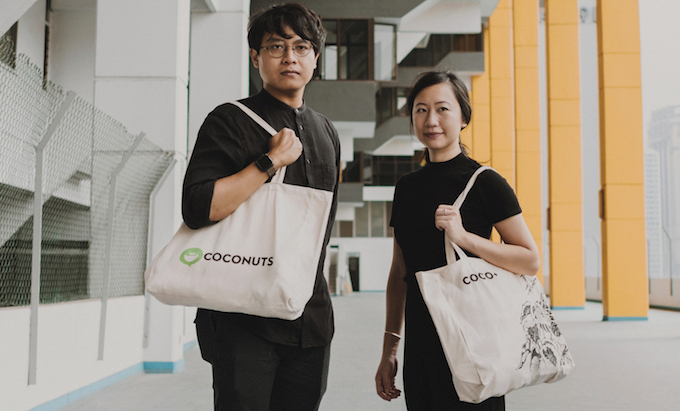
The humble tote bag has undergone a radical transformation over the last decade. What was once a simple utilitarian item used for groceries has evolved into a legitimate fashion statement and a status symbol. To design a custom tote bag that people actually want to wear, you must stop thinking of it as a walking billboard and start viewing it as a curated accessory. People choose their accessories based on how those items reflect their personal identity, values, and sense of style.
When a bag is designed with a focus on aesthetics rather than just brand visibility, it gains a longer lifecycle. A poorly designed bag is relegated to the back of a closet or used once for a heavy grocery run before being discarded. In contrast, a thoughtfully designed piece becomes part of a person’s daily rotation, appearing in street style photography, office environments, and social gatherings. The goal is to create something that feels like a gift or a high end purchase rather than a free giveaway.
See also: Clip-On Thermal Imaging Attachment for Wildlife Observation
The Psychology of Wearability
Wearability is defined by how well an item integrates into a diverse wardrobe. If your design is too loud, too corporate, or uses low quality materials, it creates a barrier to entry. Designers must consider the context in which the bag will be used. Is it meant for a weekend at the farmers market, a day at the university, or as a chic alternative to a briefcase? Understanding the psychology behind why people choose certain bags allows you to tailor your graphics and material choices to meet those specific emotional needs.
Defining Your Target Audience and Their Aesthetic Preferences
Before sketching a single line, you must identify who is going to carry this bag. A design that appeals to a Gen Z audience looking for Y2K nostalgia will differ significantly from a design intended for corporate executives at a tech conference. Researching current trends within your specific niche is vital for success.
1. Analyze current fashion trends on platforms like Pinterest and Instagram to see what shapes and colors are trending.
2. Consider the lifestyle of your audience. Do they need extra long handles for over the shoulder comfort?
3. Evaluate the color palettes that dominate your industry. While neon might work for a fitness brand, muted earth tones often perform better for lifestyle and wellness companies.
By narrowing down your audience, you can create a design that speaks their language. When you work with a professional supplier like Totally Branded, you can see how different demographics respond to various print techniques and bag styles, ensuring your final product resonates with the intended users.
Selecting the Right Canvas Materials and Durability Standards
The fabric is the foundation of your design. No matter how beautiful the artwork is, a flimsy bag will rarely be worn. The weight of the canvas is usually measured in ounces, and this measurement dictates the structure and perceived value of the tote.
Understanding Fabric Weights
1. Five to six ounce cotton is lightweight and foldable, best for budget friendly promotions but less likely to be used as a primary handbag.
2. Eight to ten ounce canvas offers a middle ground that provides better structure and a more premium feel.
3. Twelve to sixteen ounce heavy duty canvas is the gold standard for high end retail quality totes. These bags stand up on their own and can carry heavy laptops or books without losing their shape.
Beyond weight, consider the texture. Brushed cotton feels soft to the touch, while recycled polyester blends offer a modern, slightly tech forward appearance. The choice of material should align with your brand values. If you are a premium luxury brand, opting for a heavy, organic cotton weave conveys quality before the customer even sees the logo.
Mastering Color Theory and Print Placement for Maximum Impact
Color is the first thing a person notices from a distance. While it is tempting to use every color in your brand palette, restraint often leads to a more wearable product. High contrast designs like black ink on a natural cream canvas are timeless and match almost any outfit. Alternatively, monochromatic schemes where the print is only a few shades darker than the fabric can create a sophisticated, subtle look.
Thinking Outside the Center Square
Most custom bags feature a logo dead center in the middle of the bag. While functional, this is the most predictable design choice. To make your bag stand out, consider unconventional placements.
1. Wrap around prints that extend from the front to the back panel.
2. Small, minimalist embroidery in the top corner near the handle.
3. Vertical text running along the side seam of the bag.
4. Large scale, cropped graphics that bleed off the edges of the fabric.
Strategic placement turns a promotional item into a piece of graphic art. When you are looking for How to Design Custom tote bags People Want to Wear Totally Branded provides the technical guidance needed to ensure these complex placements are executed with precision.
Typography and Graphic Design Principles for Wearable Art
The fonts you choose carry as much weight as the words themselves. Serif fonts can evoke a sense of tradition, luxury, or academic prestige. Sans serif fonts feel modern, clean, and approachable. Script fonts add a personal, artisanal touch.
Avoiding the Corporate Trap
If your goal is wearability, avoid making your logo the largest element of the design. Instead, use a compelling illustration, a witty phrase, or a beautiful landscape that represents your brand’s essence. You can place a small version of your logo or brand name underneath the main graphic or on a woven side label. This approach makes the bag feel like a piece of merchandise from a favorite boutique rather than a corporate flyer.
1. Use hierarchy to guide the eye. The most important visual element should be the largest.
2. Ensure legibility. If you use a thin font, make sure it is large enough to be read from a few feet away.
3. Balance negative space. Do not feel the need to fill the entire surface area of the bag. Sometimes a small, well placed icon is more powerful than a busy collage.
Strategic Branding and the Role of Professional Production Partners
The bridge between a great idea and a great product is the production process. This is where technical specifications like screen printing, digital printing, and embroidery come into play. Each method has its own strengths. Screen printing is ideal for bold, vibrant colors and large quantities. Embroidery adds a tactile, premium dimension that suggests longevity.
Working with an experienced partner like Totally Branded allows you to explore these various techniques to see which best fits your vision. They can provide insights into how specific inks will react with different fabric densities. This professional oversight ensures that the colors do not bleed and the print does not crack after the first wash. A bag that retains its beauty after multiple uses is a bag that will continue to be worn for years.
Quality Control and Sampling
Never skip the sampling phase. Seeing a physical prototype allows you to test the handle length, the internal capacity, and the true color of the print against different lighting. Small adjustments made during this stage can be the difference between a bag that stays in a drawer and one that becomes a daily essential. Totally Branded emphasizes the importance of these details to ensure the final product meets the high standards of modern consumers.
Sustainability as a Core Design Requirement
In the modern market, sustainability is no longer an optional feature; it is a requirement for many consumers. People are increasingly conscious of the environmental impact of their fashion choices. To design a bag people want to wear, you should prioritize eco friendly materials and ethical production.
1. Organic Cotton: Grown without harmful pesticides, this is a favorite for eco conscious shoppers.
2. Recycled Cotton: Made from post consumer waste, this helps reduce the demand for virgin resources.
3. Fair Trade Certification: Ensuring the people who made the bag were treated and paid fairly adds a layer of ethical value to your design.
When you communicate these sustainable choices through a small tag or a line of text on the bag, you give the wearer a reason to feel proud of the item. It transforms the bag from a simple carrier into a badge of shared values.
Elevating the User Experience Through Functional Additions
A bag that looks good but functions poorly will eventually be abandoned. To truly win over your audience, consider adding functional features that solve common problems.
1. Internal Pockets: A small pocket for keys or a phone prevents the dreaded deep dive into a cavernous bag.
2. Zippers or Magnetic Snaps: Providing security for belongings makes the bag more suitable for commuting or travel.
3. Reinforced Stitching: Adding cross stitching at the stress points of the handles ensures the bag can carry heavy loads without failing.
4. Adjustable Straps: Allowing the user to change the length of the strap makes the bag accessible to different body types and carrying preferences.
These small additions show that you have put thought into the user experience. It demonstrates that you value the user’s convenience as much as your own brand promotion. High quality production houses like Totally Branded can help you source bags with these specific features, ensuring your custom design is as practical as it is beautiful.
Marketing Your Custom Creation for Longevity and Reach
Once your bag is designed and produced, the way you introduce it to the world matters. Instead of just handing them out, create a story around the design. Explain the inspiration behind the artwork or the reason you chose a specific sustainable material.
1. Use high quality lifestyle photography showing the bag being used in real world settings.
2. Partner with influencers who align with your brand aesthetic to show how the bag can be styled.
3. Create a limited edition run to build a sense of exclusivity and urgency.
By treating your custom tote bag like a genuine product launch, you elevate its perceived value. When people see others wearing the bag as part of a stylish outfit, they will want to wear it too. The ultimate success of a custom tote is when people start asking where they can buy one, turning your brand ambassadors into a community of stylish advocates. Through careful planning, artistic integrity, and the right manufacturing partnership, your custom tote can become a staple of modern wardrobes.