Newsletter Subscribe
Enter your email address below and subscribe to our newsletter
Enter your email address below and subscribe to our newsletter

 ByJohn A
Over the years, advances in material science, biotechnology, and manufacturing technology have changed the way professionals approach aesthetic treatments.
Today, modern aesthetic solutions are no longer limited to a small number of traditional options. Instead, professionals have access to a wider range of materials designed for different treatment goals, allowing for more personalized and precise approaches.
From hyaluronic acid-based formulations to collagen-supporting materials, innovation continues to expand the possibilities within professional aesthetics.
The development of aesthetic materials reflects the continuous progress of science and technology.
Early aesthetic solutions mainly focused on improving facial appearance through simple volume enhancement. However, modern technologies have introduced more sophisticated approaches that consider factors such as facial balance, skin condition, and long-term aesthetic goals.
Material characteristics have become increasingly important when selecting professional aesthetic solutions.
Different materials offer different properties, making it possible for professionals to choose products based on specific treatment requirements.
This evolution has created a more diverse aesthetic landscape where technology plays a central role in product development.
Beyond Traditional Hyaluronic Acid Solutions
Hyaluronic acid has been one of the most recognized materials in aesthetic applications for many years.
Its popularity comes from its versatility and ability to support various professional treatment approaches.
However, continued innovation has introduced additional categories of aesthetic materials that provide different characteristics and applications.
Modern professionals now explore a wider range of options, including collagen-stimulating materials and advanced formulations designed for different aesthetic objectives.
This expansion allows practitioners to develop more customized strategies rather than relying on a single type of solution.
One of the biggest developments in modern aesthetics is the increasing interest in materials that support natural biological processes.
Unlike traditional volume-focused approaches, some newer technologies are designed around stimulating collagen production and supporting gradual aesthetic improvements.
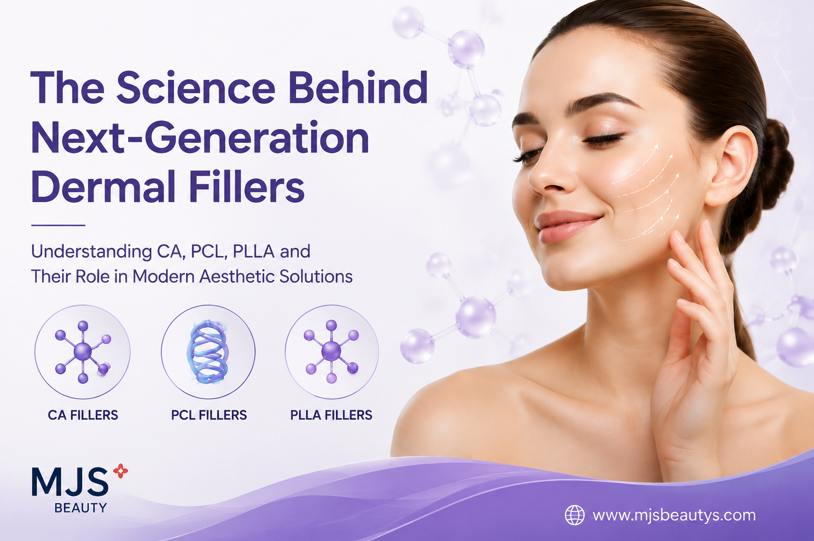
This has contributed to growing attention toward CA / PCL / PLLA fillers within professional aesthetic practices.
These material categories represent a different approach to aesthetic treatments by focusing on advanced formulations and longer-term skin support concepts.
As research continues, biostimulatory materials are becoming an increasingly important part of the modern aesthetic industry.
Understanding Different Material Technologies
Each aesthetic material has unique characteristics that influence how professionals use it.
Calcium hydroxylapatite (CaHA), polycaprolactone (PCL), and poly-L-lactic acid (PLLA) represent different technological approaches within the aesthetic field.
CaHA-based solutions are known for their mineral-based composition, while PCL and PLLA technologies are often associated with collagen-supporting concepts.
Understanding these differences allows professionals to make better-informed decisions based on treatment goals and individual requirements.
The continued development of these technologies demonstrates how science is helping create more diverse options within professional aesthetics.
Behind every modern aesthetic product is a complex manufacturing process.
Advanced production technology helps manufacturers control important factors such as consistency, formulation quality, and product stability.
For professional practitioners, these factors are essential because predictable product characteristics support better treatment planning.
As manufacturing techniques continue to improve, future aesthetic materials may become even more specialized and targeted.
Technology will continue to influence not only the materials themselves but also how these products are developed and applied.
Combining Science With Personalized Treatment Strategies
One of the most important trends in modern aesthetics is personalization.
Every individual has unique facial structures, skin conditions, and aesthetic expectations.
Because of this, professionals increasingly consider multiple factors before selecting appropriate solutions.
Modern dermal fillers are part of this personalized approach, allowing professionals to evaluate different product characteristics depending on specific treatment objectives.
Rather than focusing on a single universal solution, the industry is moving toward customized strategies based on science, technology, and individual needs.
Real Examples of Material Innovation
The development of new aesthetic materials can be seen through products created with advanced formulation concepts.
For example, AestheFill 200mg represents a modern aesthetic solution based on PDLLA technology.
Products developed through advanced material research demonstrate how scientific innovation continues to influence the professional beauty industry.
These developments show the increasing connection between biotechnology, material science, and aesthetic applications.
See also: Nic Salts Reviewed: What They Actually Do, Which Strength to Buy and Where People Go Wrong
As research advances, professionals can expect more specialized materials, improved formulations, and increasingly personalized treatment approaches.
Technology will continue helping the industry move toward solutions that focus on precision, customization, and natural-looking results.
The next generation of aesthetic materials will likely be shaped by continued collaboration between scientists, manufacturers, and aesthetic professionals.
From traditional hyaluronic acid solutions to advanced collagen-supporting technologies, modern materials provide professionals with more options than ever before.
Scientific innovation continues to expand the possibilities of aesthetic treatments, creating a future where personalized and technology-driven solutions become increasingly important.
As material science continues to progress, the relationship between technology and aesthetics will remain one of the most influential forces shaping the industry.