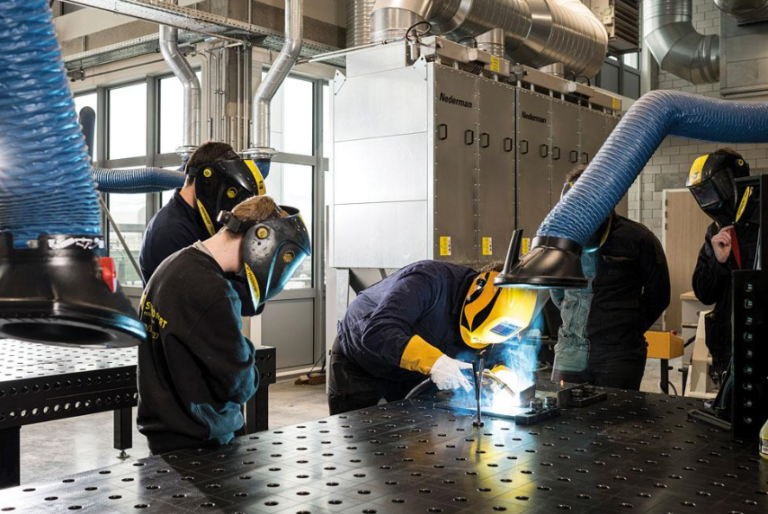

The conversation around manufacturing has changed significantly in recent years. In the past, industrial success was often measured by factory size, workforce capacity, or production volume. Today, the focus has shifted toward precision, adaptability, digital integration, and operational intelligence. Manufacturers are under constant pressure to deliver higher-quality products while reducing production costs and responding quickly to changing market demands.
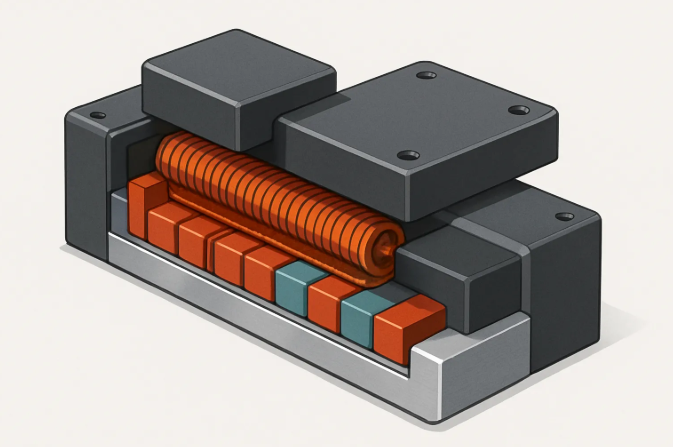
This transformation has increased the importance of technologies that can improve machine performance at a fundamental level. Among these innovations, linear motors have emerged as one of the most influential advancements in modern motion control. Their ability to generate direct linear movement without relying on conventional mechanical transmission systems makes them ideal for industries seeking higher efficiency and better performance.
As a result, choosing the right linear motors supplier has become an important strategic consideration. The relationship between supplier and manufacturer now extends far beyond purchasing equipment. It involves technical expertise, engineering collaboration, innovation support, and long-term operational planning.
In many advanced manufacturing environments, the supplier behind the motion technology can have a direct impact on how successfully an organization achieves its automation goals.
The Shift From Mechanical Manufacturing to Intelligent Manufacturing
Manufacturing facilities around the world are undergoing a significant transformation. Machines are becoming more connected, production systems are generating more data, and factories are increasingly relying on automation to improve performance.
This shift toward intelligent manufacturing requires motion systems capable of operating with exceptional accuracy and responsiveness. Traditional mechanical methods often struggle to meet these requirements because they introduce friction, wear, and mechanical complexity.
Linear motors support intelligent manufacturing by providing direct movement that can be controlled with remarkable precision. Their performance aligns closely with the goals of modern production facilities that prioritize speed, quality, and flexibility.
As digital manufacturing continues expanding, advanced motion systems are becoming essential infrastructure rather than optional upgrades.
See also: Amity Project for BCA and MCA Students: The Technical Guide You Need
Why Motion Technology Influences More Than Movement
Many people view motion systems simply as components that move machinery from one point to another. In reality, motion technology influences nearly every aspect of production performance.
The speed at which products are manufactured, the consistency of finished goods, the reliability of equipment, and the efficiency of workflows are all connected to motion quality.
Poor motion control can create bottlenecks that limit productivity. Inaccurate positioning can increase waste. Excessive vibration can affect product quality. Maintenance-intensive systems can disrupt production schedules.
By delivering smooth, controlled, and repeatable movement, linear motors help manufacturers overcome these challenges and improve overall operational performance.
The Rising Demand for Precision Across Industries
Precision is no longer limited to specialized manufacturing sectors. Today, businesses across numerous industries require highly accurate production systems to remain competitive.
Electronics manufacturers must position components with extreme accuracy. Medical device producers depend on repeatable assembly processes. Packaging companies require precise motion to maintain product consistency at high speeds.
Even industries that traditionally relied on less sophisticated machinery are adopting technologies that improve precision and quality control.
Linear motor systems have become increasingly valuable because they provide the level of accuracy required by modern production standards.
How Innovation Begins During System Design
The most successful manufacturing projects often begin long before machines reach the factory floor. Innovation starts during the design phase, where engineers determine how equipment will operate and what technologies will support performance goals.
A knowledgeable supplier contributes valuable insight during this stage. They help identify opportunities to improve efficiency, simplify machine architecture, and enhance overall performance.
This early collaboration often leads to better engineering decisions and more effective production systems.
Rather than merely supplying components, experienced technology partners help shape the future capabilities of manufacturing equipment.
The Importance of Operational Agility
Markets evolve rapidly. Consumer preferences change, product lifecycles become shorter, and manufacturers must respond quickly to new opportunities.
This environment has increased demand for production systems that can adapt without requiring major redesigns.
Linear motors support operational agility because they allow manufacturers to modify motion parameters through software and control systems rather than extensive mechanical adjustments.
This flexibility enables faster transitions between products and improves responsiveness to changing production requirements.
Organizations that prioritize agility are often better positioned to succeed in competitive markets.
Supporting Sustainable Manufacturing Goals
Sustainability has become an important priority for many industrial organizations. Manufacturers are seeking ways to reduce waste, improve energy efficiency, and extend equipment lifespan.
Motion systems contribute directly to these objectives. Technologies that minimize mechanical losses and reduce maintenance requirements can support broader sustainability initiatives.
Linear motors help improve efficiency by eliminating many traditional transmission components that consume energy through friction and mechanical resistance.
In addition, their simplified design often contributes to longer service life and reduced material consumption over time.
These benefits align with the growing emphasis on environmentally responsible manufacturing practices.
Why Reliability Remains a Core Business Requirement
No matter how advanced a production system becomes, reliability remains one of the most important measures of success.
Unexpected downtime can affect production schedules, customer commitments, and overall profitability. Manufacturers therefore prioritize technologies that deliver stable and predictable performance.
Linear motors offer reliability advantages because they eliminate many mechanical elements that are susceptible to wear and failure.
This allows production teams to focus more on output and optimization rather than maintenance and repairs.
For facilities operating continuously, improved reliability can create substantial long-term value.
The Expanding Role of Automation Specialists
As automation systems become more advanced, manufacturers increasingly rely on external expertise to navigate technical complexity.
Suppliers play an important role in helping organizations evaluate technologies, optimize performance, and implement solutions that support long-term objectives.
An experienced linear motors supplier understands not only the technology itself but also the broader industrial trends shaping manufacturing.
This knowledge allows them to provide guidance that extends beyond individual products and supports overall business strategy.
Strong supplier relationships often become important sources of competitive advantage.
Preparing for the Next Decade of Industrial Growth
The next decade is expected to bring significant advances in robotics, artificial intelligence, predictive maintenance, and smart factory technologies.
Each of these developments will place greater demands on motion control systems. Equipment will need to operate faster, communicate more effectively, and respond more intelligently than ever before.
Linear motors are well positioned to support these requirements because of their speed, precision, and compatibility with advanced automation platforms.
Manufacturers investing in modern motion technologies today are laying the foundation for future innovation and growth.
Conclusion
Industrial progress is driven by technologies that remove limitations and create new possibilities. Linear motors have become one of the most important innovations supporting this evolution, helping manufacturers achieve higher levels of performance, accuracy, and efficiency.
The role of a linear motors supplier extends far beyond product delivery. The right supplier contributes expertise, technical insight, and strategic support that can influence the success of an entire automation initiative.
As manufacturing continues moving toward intelligent, connected, and highly automated production environments, organizations that build strong partnerships with experienced motion technology providers will be better equipped to navigate future challenges and capitalize on emerging opportunities.
In an era where precision and adaptability define industrial success, the value of the right technology partner has never been greater.